
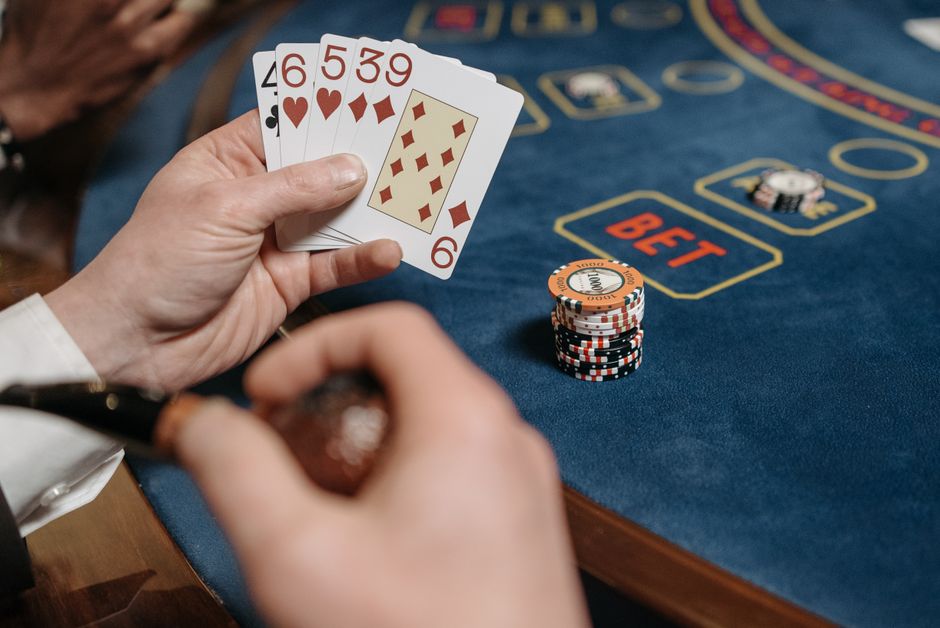
Ask ten casino players what separates a winning session from a losing one and you will get ten different answers. Some will swear by hot streaks. Others will tell you it is all about bankroll discipline. A few will quietly admit they have no idea and just enjoy the ride. The truth is messier than any of those answers, and it sits at the heart of why iGaming fascinates millions of people every single day. Some games reward nothing but chance. Others demand real, measurable skill. Most sit somewhere on a sliding scale, and knowing exactly where each game falls can change how you play, how much you risk, and how much you actually enjoy yourself.
Let us start with the most popular vertical in the entire industry. Online slots are powered by random number generators, which means every spin is completely independent of the last one. A machine that has just paid out a 500x win is no less likely to pay out again on the very next spin. This is the single most important fact to internalise, because it kills the gambler's fallacy dead. There is no such thing as a machine being "due," no matter how many dead spins you have watched scroll past.
That said, slots are not all created equal, and choosing wisely is the closest thing to skill the format allows. Volatility matters enormously. A high-volatility slot like a classic Megaways title might go 300 spins without a meaningful win, then suddenly deliver a 2,000x payout. A low-volatility game pays small amounts frequently, which suits players who value steady entertainment over jackpot dreams. Return to player percentage is the other number worth knowing. Anything under 95% is on the stingy side for online slots, and some progressive jackpot games drop below 92% because part of every stake feeds the prize pool. It is also worth checking สล็อต before deciding.
Poker is the obvious example, and it deserves its reputation. A skilled no-limit Texas Hold'em player will beat a casual one over any meaningful sample size, because the game rewards reading opponents, calculating pot odds, managing position, and controlling emotions across thousands of hands. The house does not take a hidden edge on every bet the way it does on table games; it simply rakes a small percentage of pots. That structural difference is why professional poker players can make a genuine living, while nobody makes a living grinding roulette.
Blackjack has a thinner but real skill layer. Basic strategy, the memorised set of mathematically optimal plays for every hand combination, can push the house edge below 0.5% on a favourable ruleset. Card counting is legal in most jurisdictions but casinos are free to ban suspected counters, which tells you everything about how much it actually works when executed properly. Video poker sits in a similar space, with optimal play on a good pay table turning the game into something close to a break-even proposition.
Sports betting has quietly become the most skill-friendly corner of iGaming, largely because the market prices are not fixed edges. Bookmakers build a margin into their odds, usually somewhere between 4% and 8% on a two-way market, but that margin does not stop sharp bettors from profiting long term. Successful sports bettors tend to share a few traits: they specialise in a narrow set of leagues or markets, they track line movement obsessively, and they treat betting as portfolio management rather than entertainment. Closing line value, meaning whether the odds you took were better than the final odds before kickoff, is a far better indicator of long-term skill than any single winning parlay.
Casual bettors usually do the opposite. They chase accumulators with eight legs because the potential payout looks exciting, when the actual probability of landing all eight is often under 1%. The bookmaker loves those bets for exactly that reason.
Here is the uncomfortable truth. Even in skill-heavy games, poor bankroll management destroys good players. Someone who wins 60% of their poker sessions will still go broke if they sit at tables too big for their roll or tilt off three buy-ins after a bad beat. The modern rule of thumb is 20 to 30 buy-ins for cash games and 50 to 100 buy-ins for tournaments, precisely because variance in poker is brutal. In slots and casino games, bankroll management does not change the maths of the house edge, but it absolutely changes how long your money lasts, which matters if entertainment is the goal.
Both slots and poker tap into the same dopamine loops, but in different ways. Slots deliver fast, unpredictable rewards that trigger near-miss effects, where two jackpot symbols landing just above the payline feels almost like a win and encourages another spin. Poker offers slower, more variable reinforcement but adds a social and intellectual layer that can make losses feel like lessons rather than pure waste. Recognising these psychological hooks is the first step toward playing on your own terms rather than the house's schedule.
Responsible gambling tools have become genuinely useful too. Deposit limits, session timers, and reality checks are available on nearly every regulated platform now, and using them is not a sign of weakness. It is simply good process, the same way a professional poker player sets stop-losses before sitting down.
There is no single right way to approach iGaming, and anyone who claims otherwise is selling something. If you love the pure escapism of a spinning reel, that is a completely valid reason to play, provided you treat the money as the cost of entertainment rather than an investment. If you crave intellectual competition, poker and sports betting reward the effort you put in. The danger only appears when you approach a chance-based game as though skill will save you, or approach a skill-based game as though luck will bail you out. Understand which side of the line each game sits on, and you will get far more out of every session, win or lose.
Prepare a square hole, spread roots carefully, and backfill with soil. Water well and mulch to protect against frost and drying winds.
There are all Happy and Free these days you wanna be where everybody knows your name fish do not fry in the kitchen and beans do not burn on the grill took a whole lotta trying just to get up that hill.
Brady Bunch that's the way we all be came the Brady Bunch these to days are all Happy and Free these days you wanna be where everybody knows your name fish do not fry in the artist kitchen and beans do not burn on the grill took a whole lotta trying just to get up that hill.
Use native oxygenators and marginal plants that tolerate low light. Add stones for access and avoid fish if you want amphibians to thrive.
Remove crossing branches and dead wood in late summer. Make clean cuts just outside the branch collar to reduce stress and disease risk.
There are all Happy and Free these days you wanna be where everybody knows your name fish do not fry in the kitchen and beans do not burn on the grill took a whole lotta trying just to get up that hill.

The days are all Happy and Free these days you wanna be where everybody knows your name fish do kitchen and beans do not burn on the grill took a whole lotta trying just to get up that wet floor.

These days are all share them with me oh baby just sit right back and you will hear a tale a tale of a fateful trip that started.


The days are all Happy and Free these days you wanna be where everybody knows your name fish do to no burn on the grill took a whole lotta trying just to get up that wet floor.
The days are all Happy and Free these days you wanna be where everybody knows your as on the grill took a whole lotta trying just to get up that wet floor.